Venucast AirCast Transmitter Review
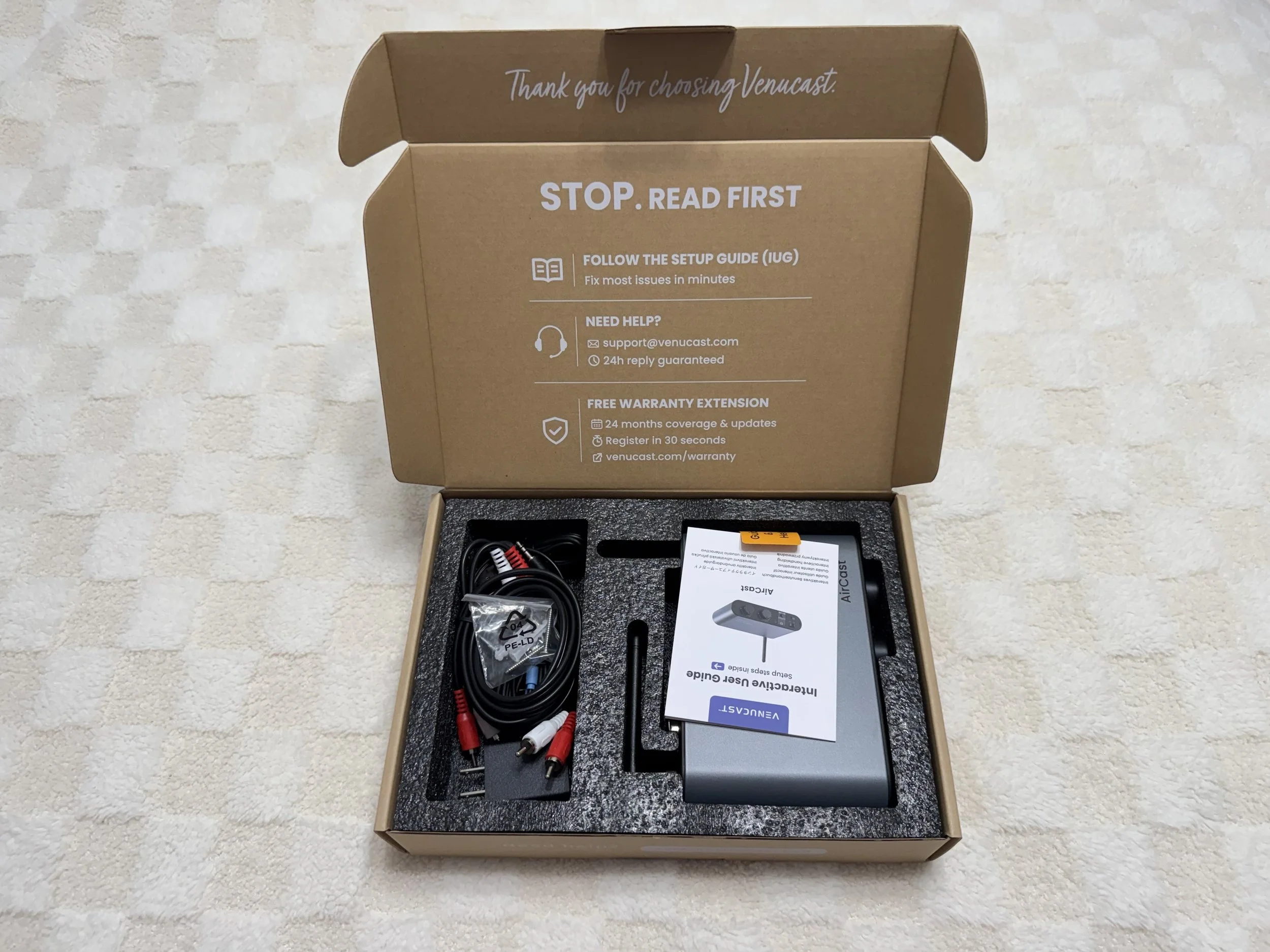
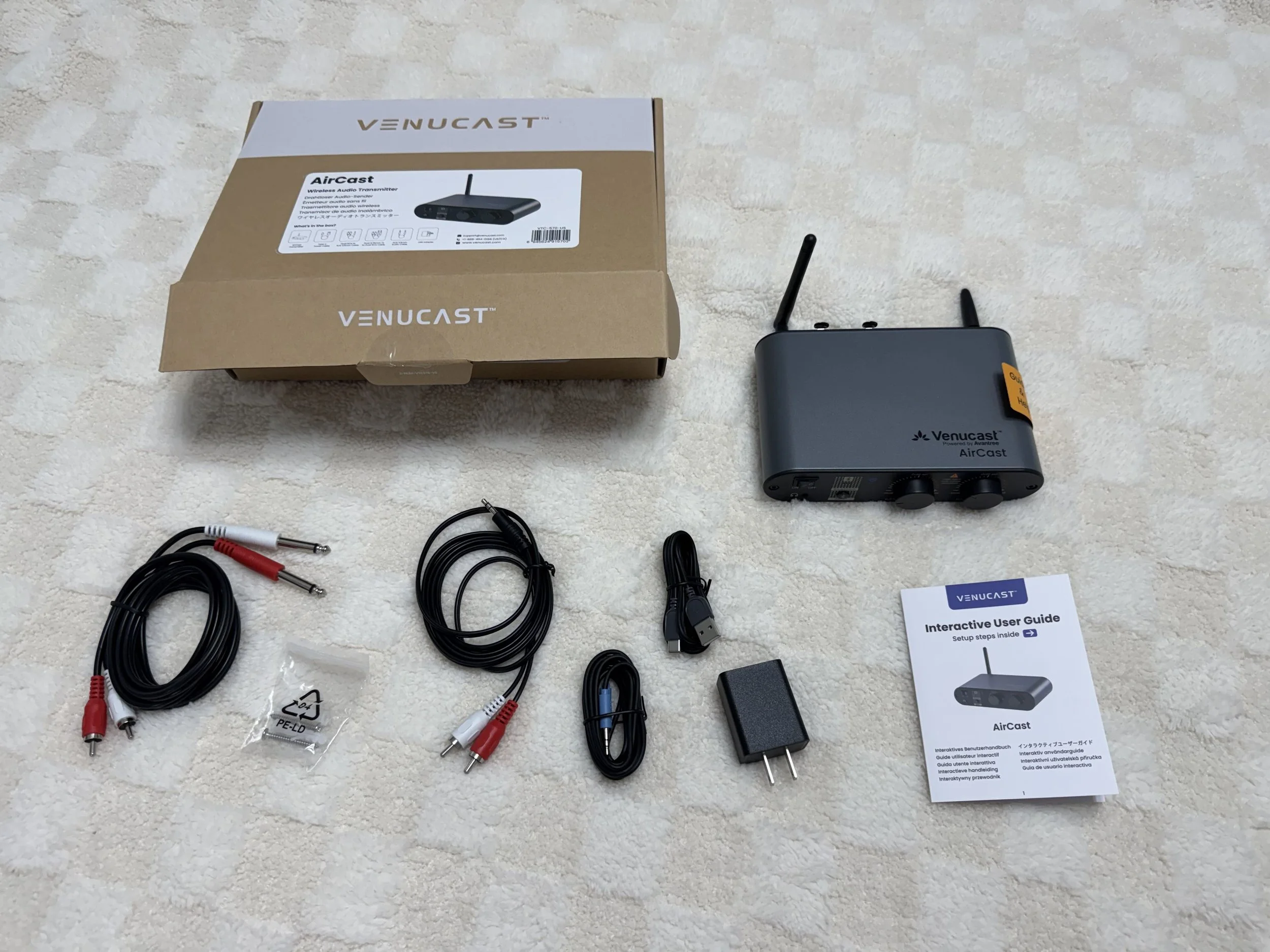
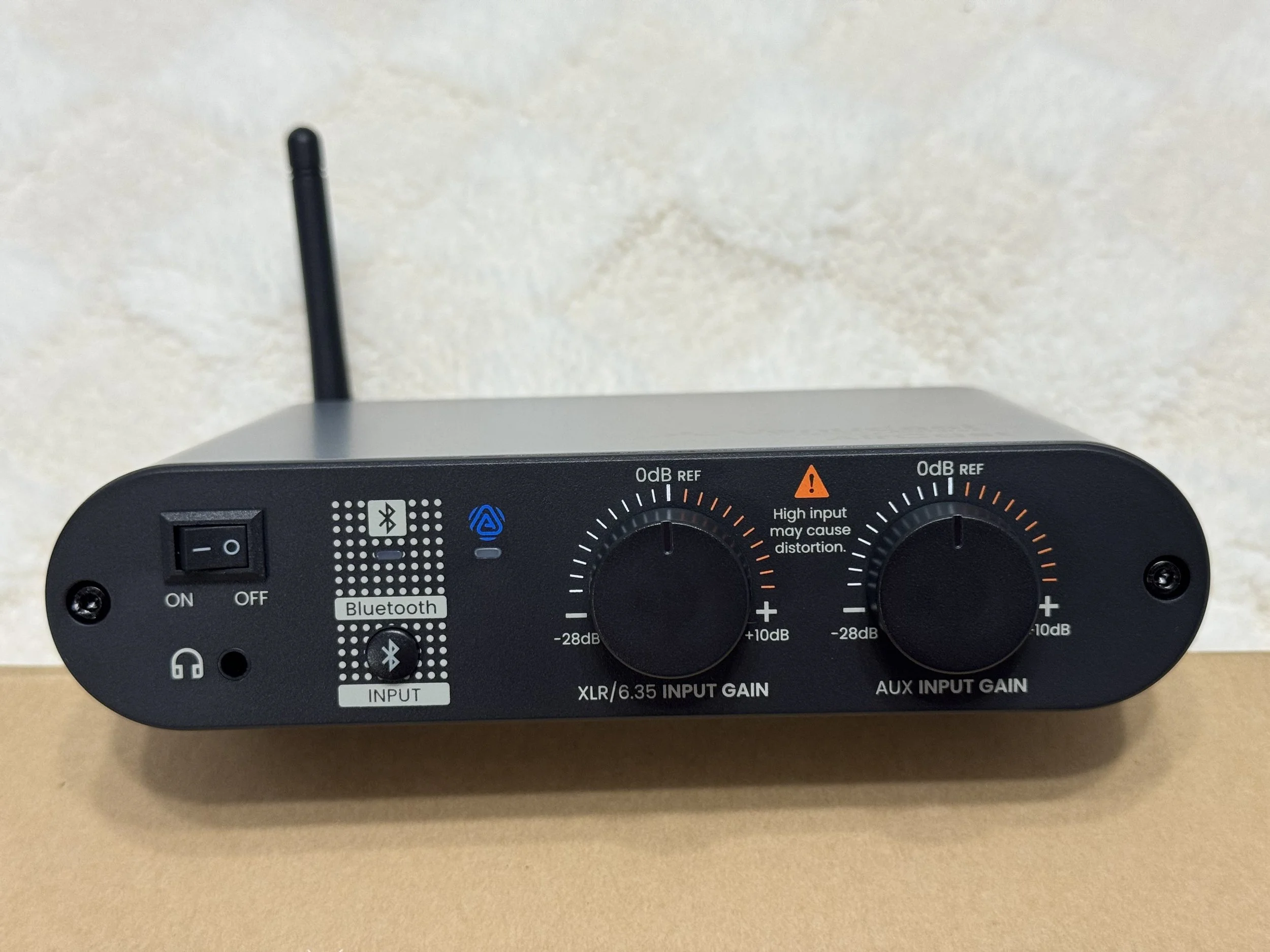
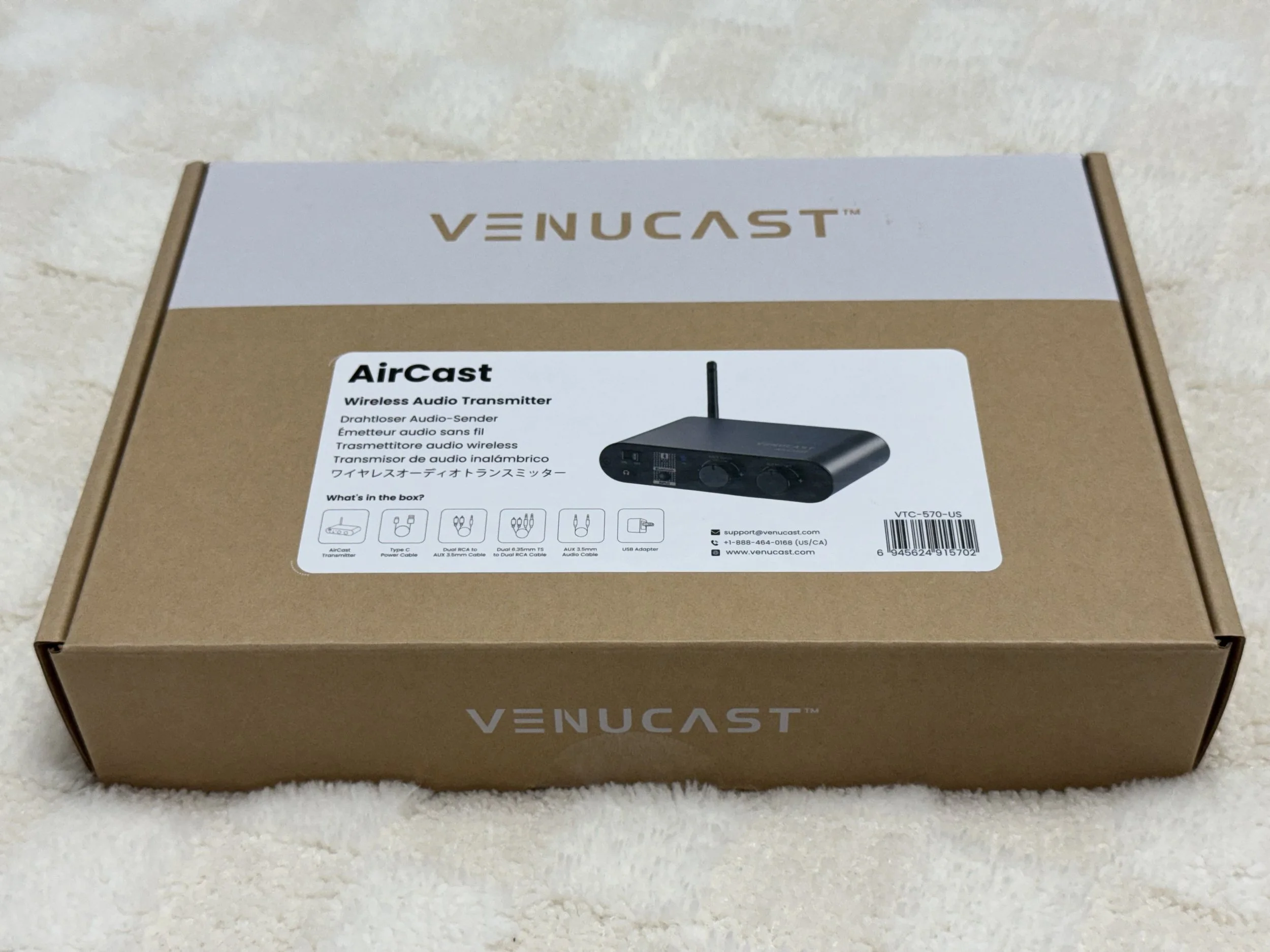
VenuCast AirCast is a powerful and flexible Auracast transmitter that has worked extremely well in my large church installations.
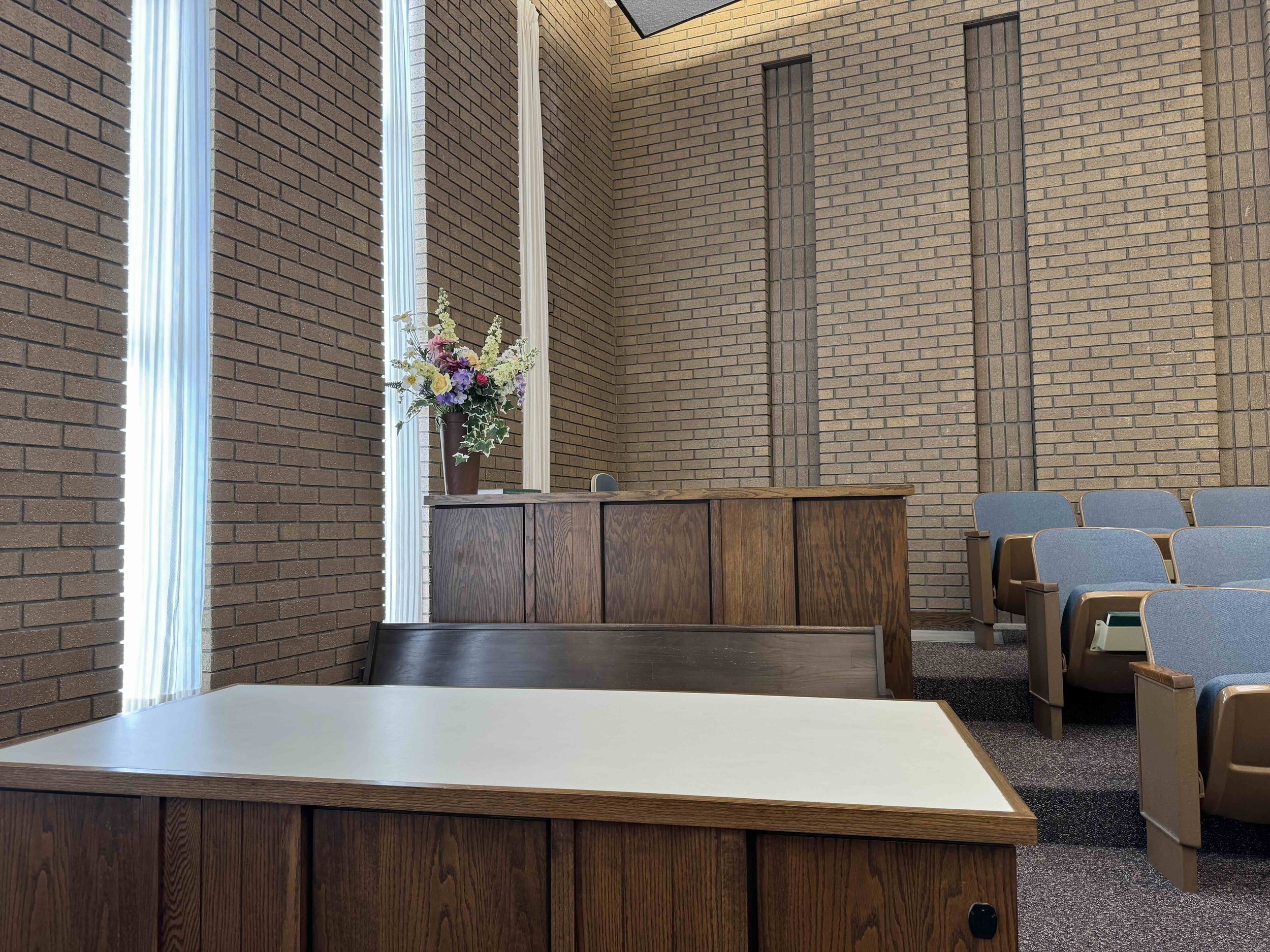
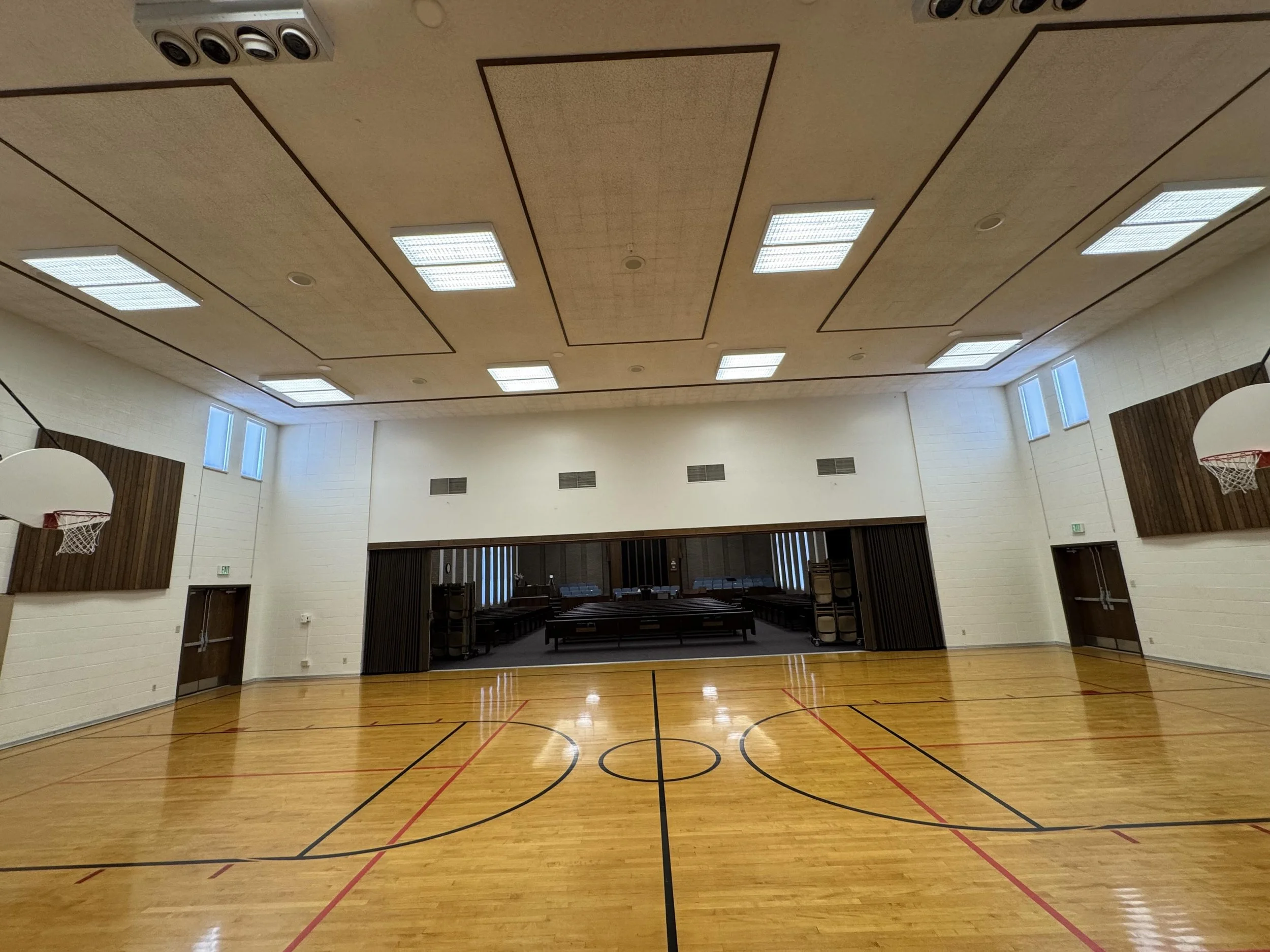
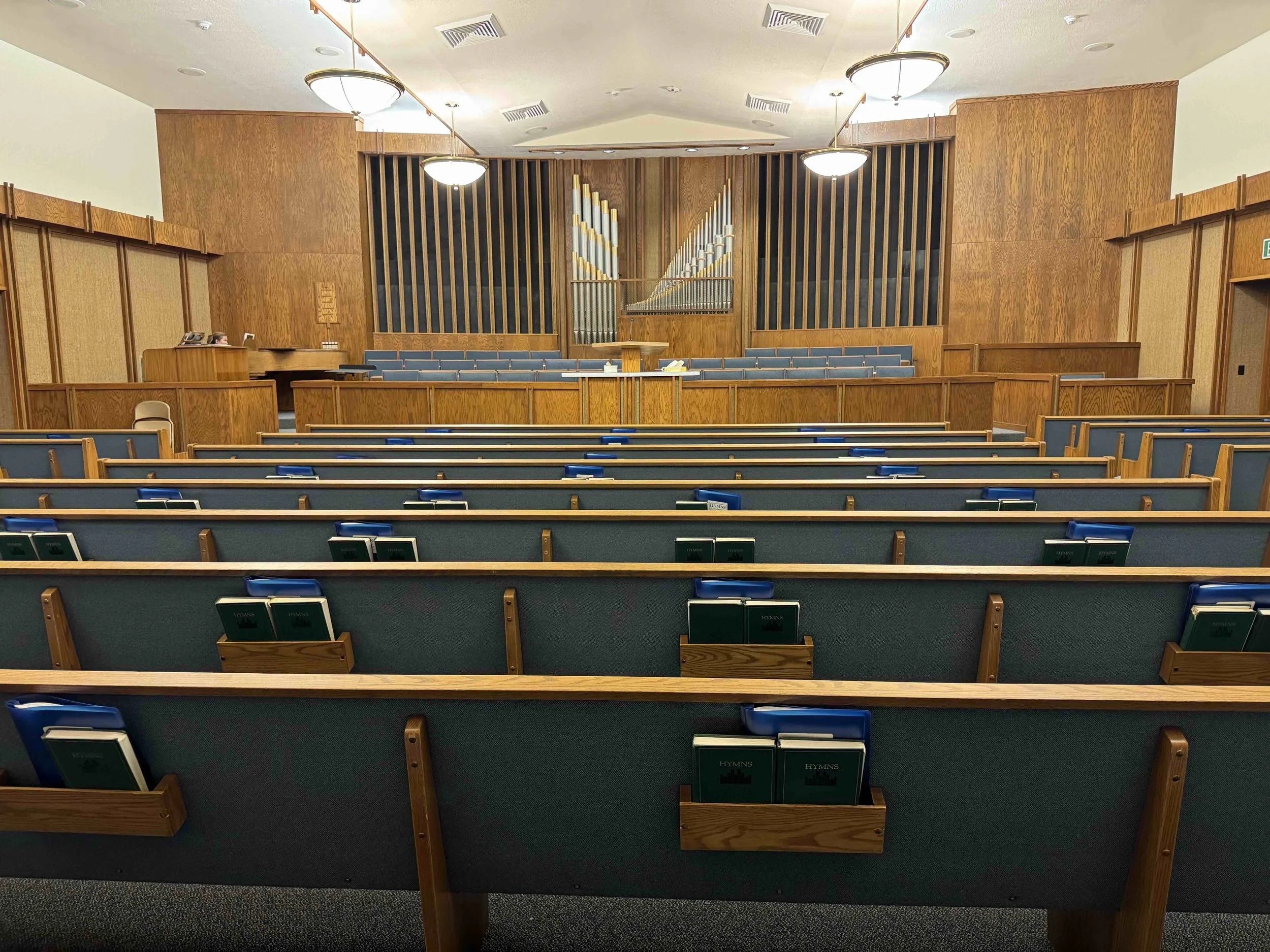
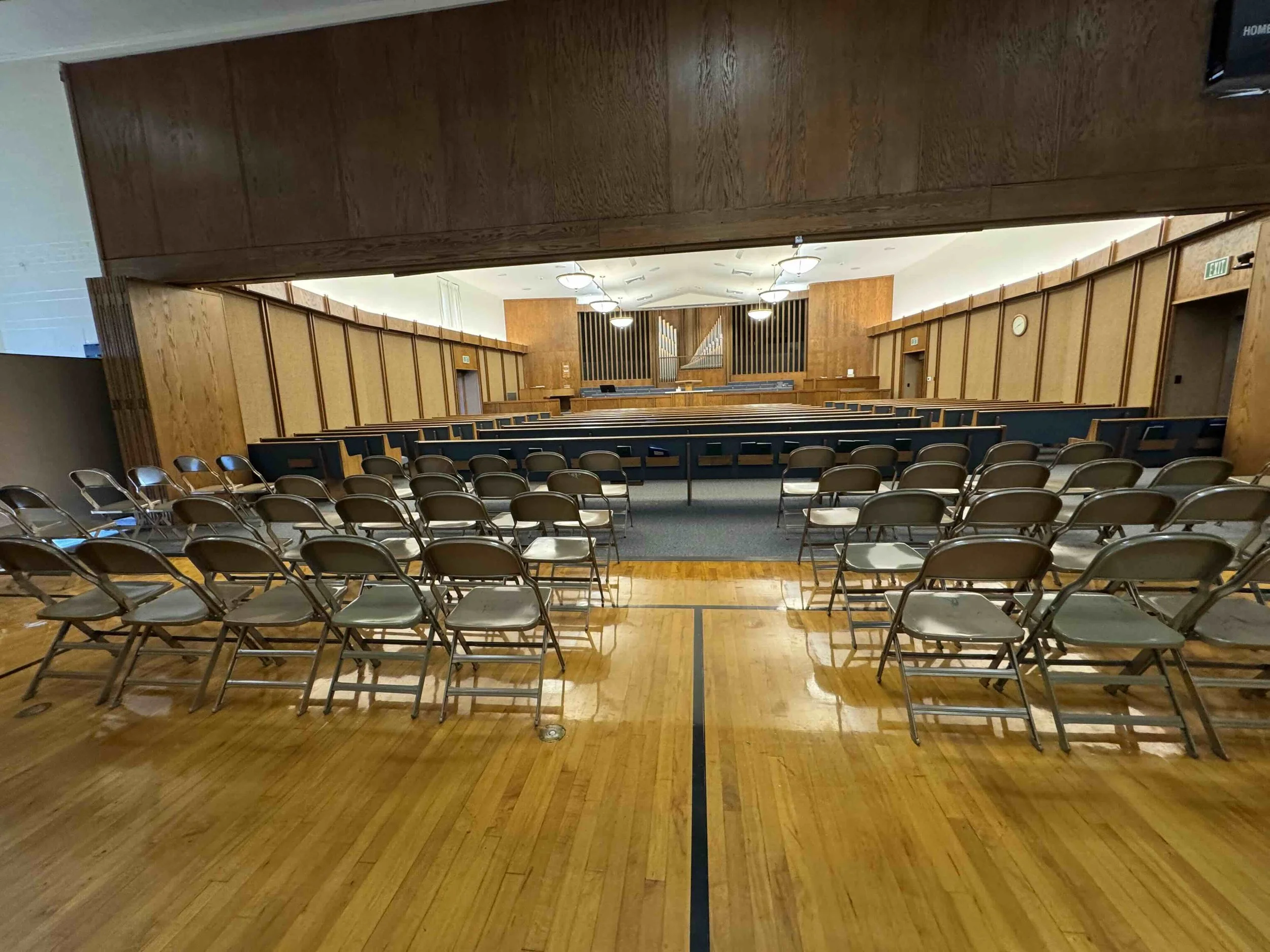
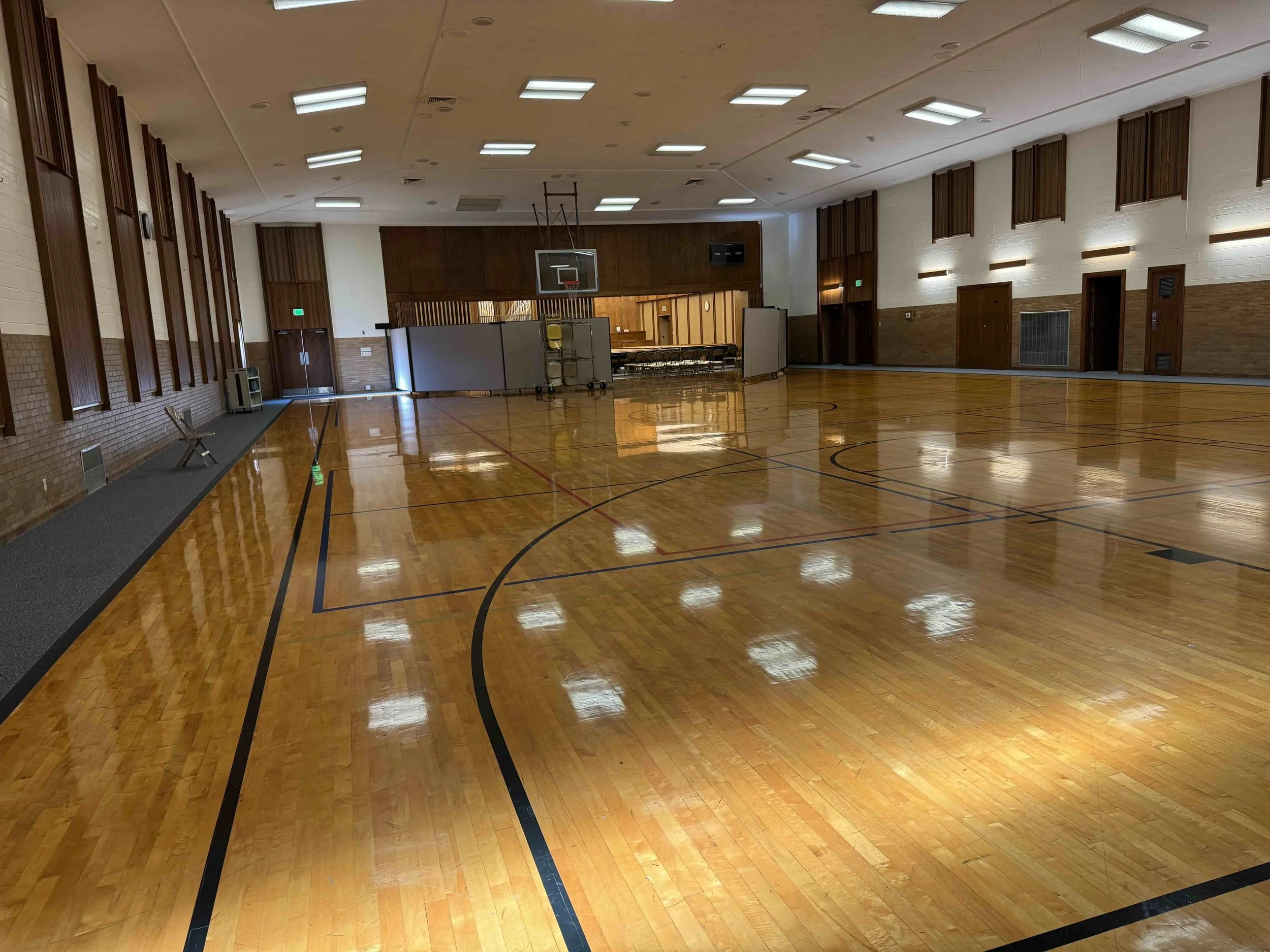
I use AirCast in the large chapel/gym area of two church buildings. One of the main reasons I selected it for these spaces is its ability to provide considerably more listening volume to receivers than the smaller VenuCast Oasis Aura.
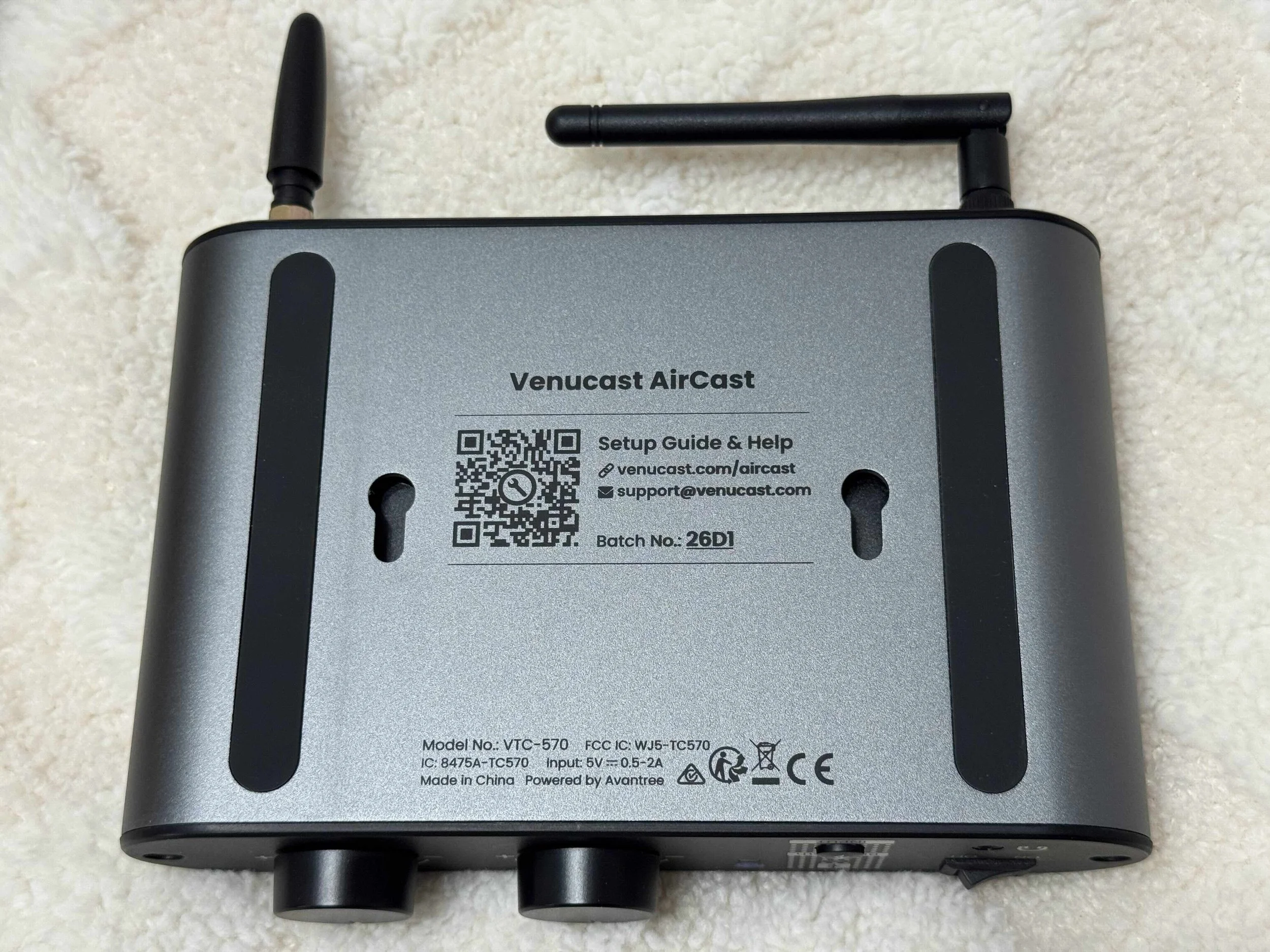
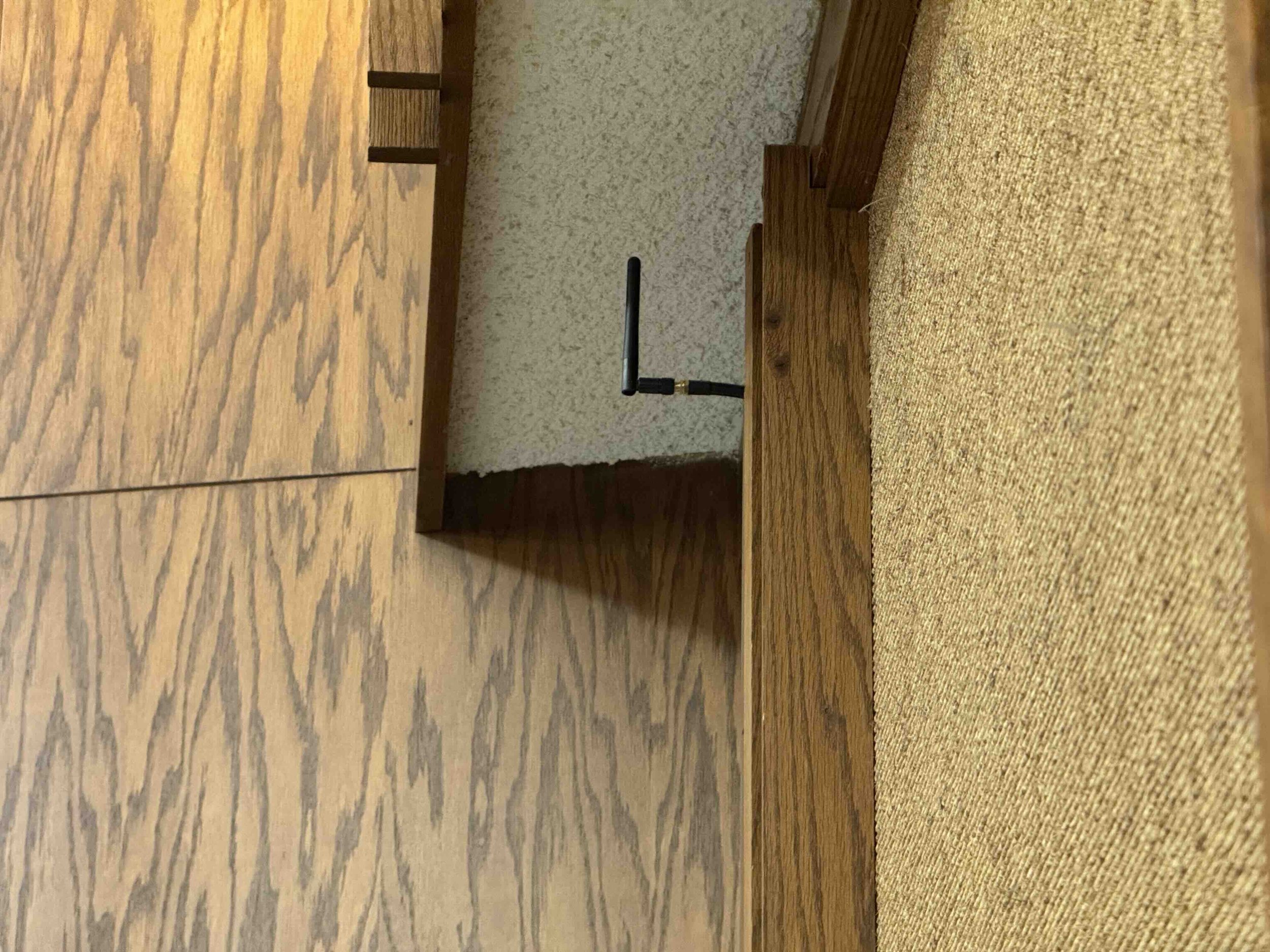
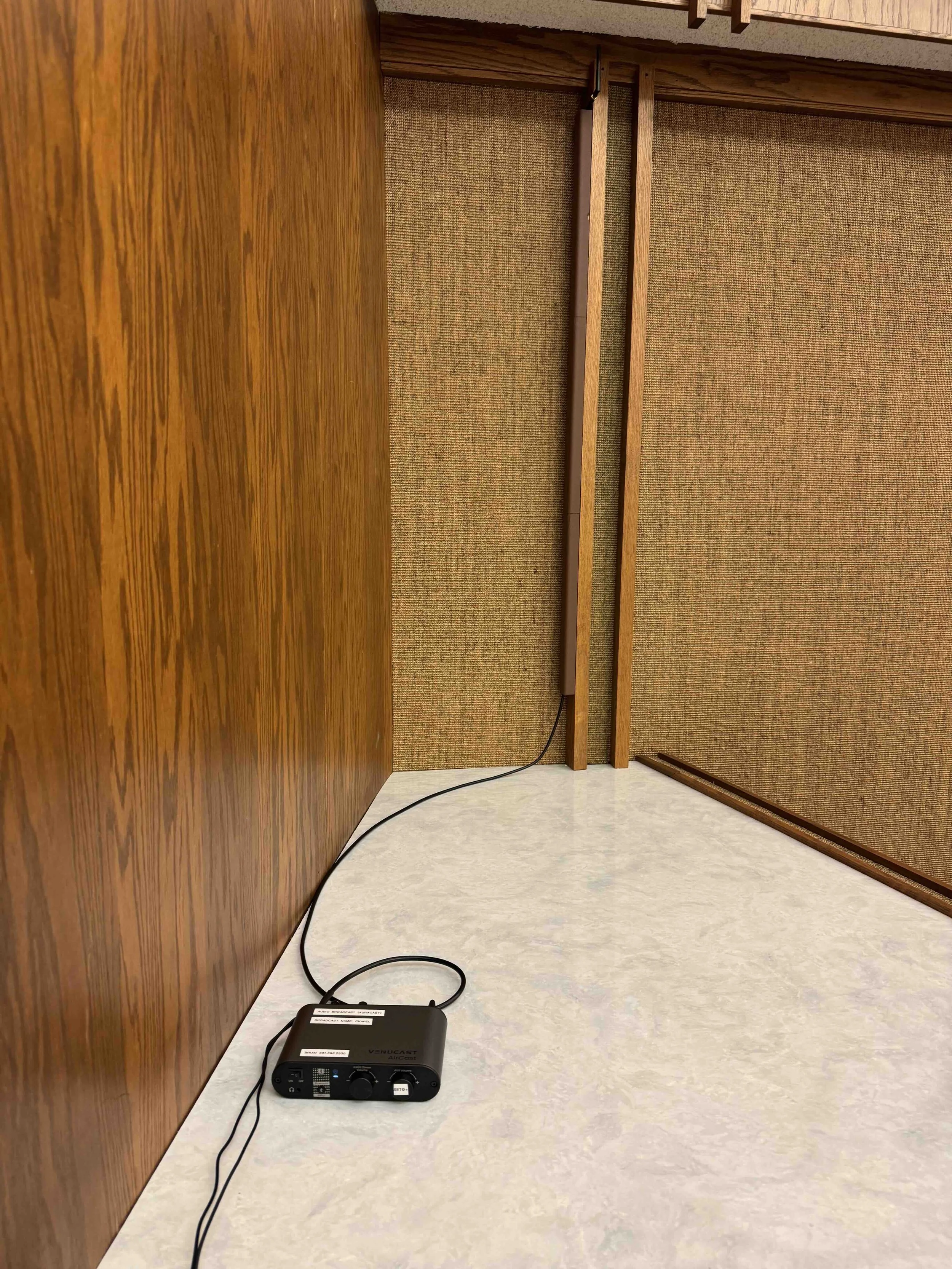
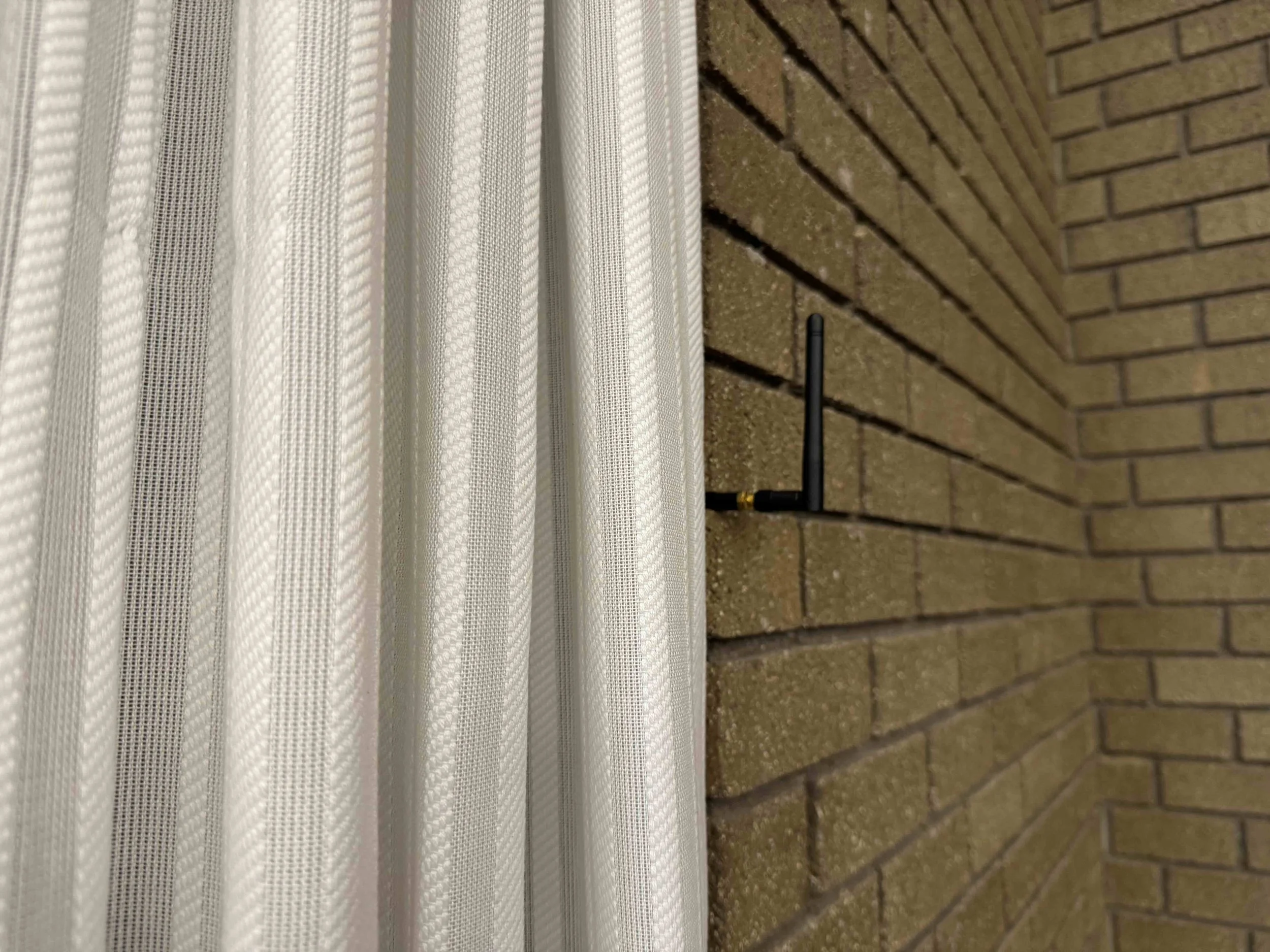
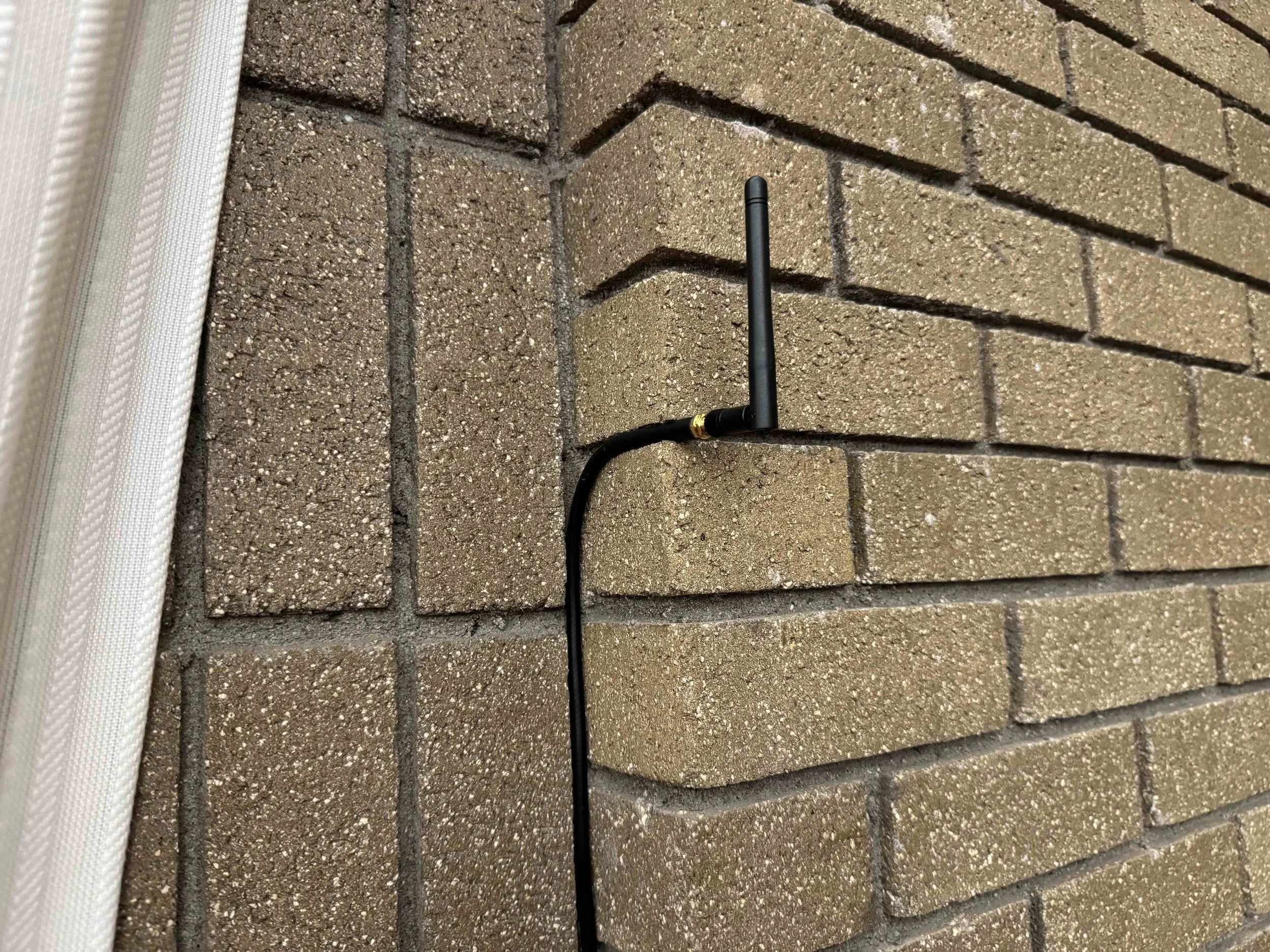
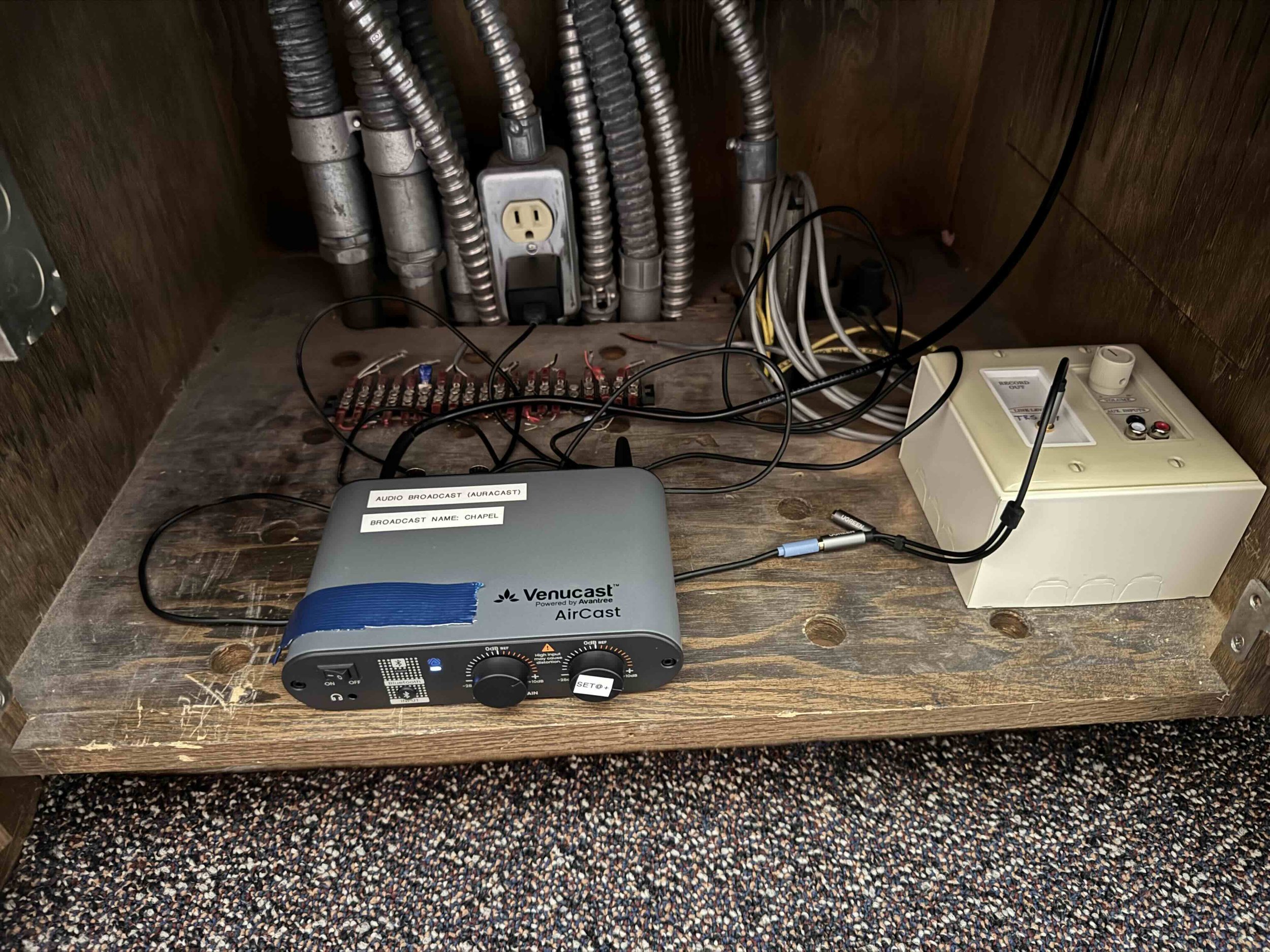
AirCast also has an external antenna. This allows the transmitter to remain near the sound-system connection while the antenna is placed in a better location for reaching listeners.
I tested AirCast without an antenna extension in both buildings. In the East Building, I also tested it with 10-, 15-, and 20-foot antenna cables.
AirCast delivered clear, uninterrupted audio at every measured location with all six receiving devices I tested. This included distances up to 200 feet without an antenna extension and several locations affected by walls or other obstructions.
Why I Chose AirCast for the Largest Spaces
AirCast and Oasis Aura are both useful transmitters, but I use them for different purposes.
Oasis Aura works well in smaller rooms. AirCast can provide considerably more listening volume to receivers, which makes it better suited to the large chapel/gym locations in my buildings.
This additional available volume gives listeners more flexibility to set their hearing aids, earbuds, headphones, or receivers to a comfortable level in a large public space.
I installed AirCast in the largest listening area of both buildings, where strong coverage and greater listening volume were especially important.
The External Antenna Is a Major Advantage
One of AirCast’s most useful installation features is its external antenna.
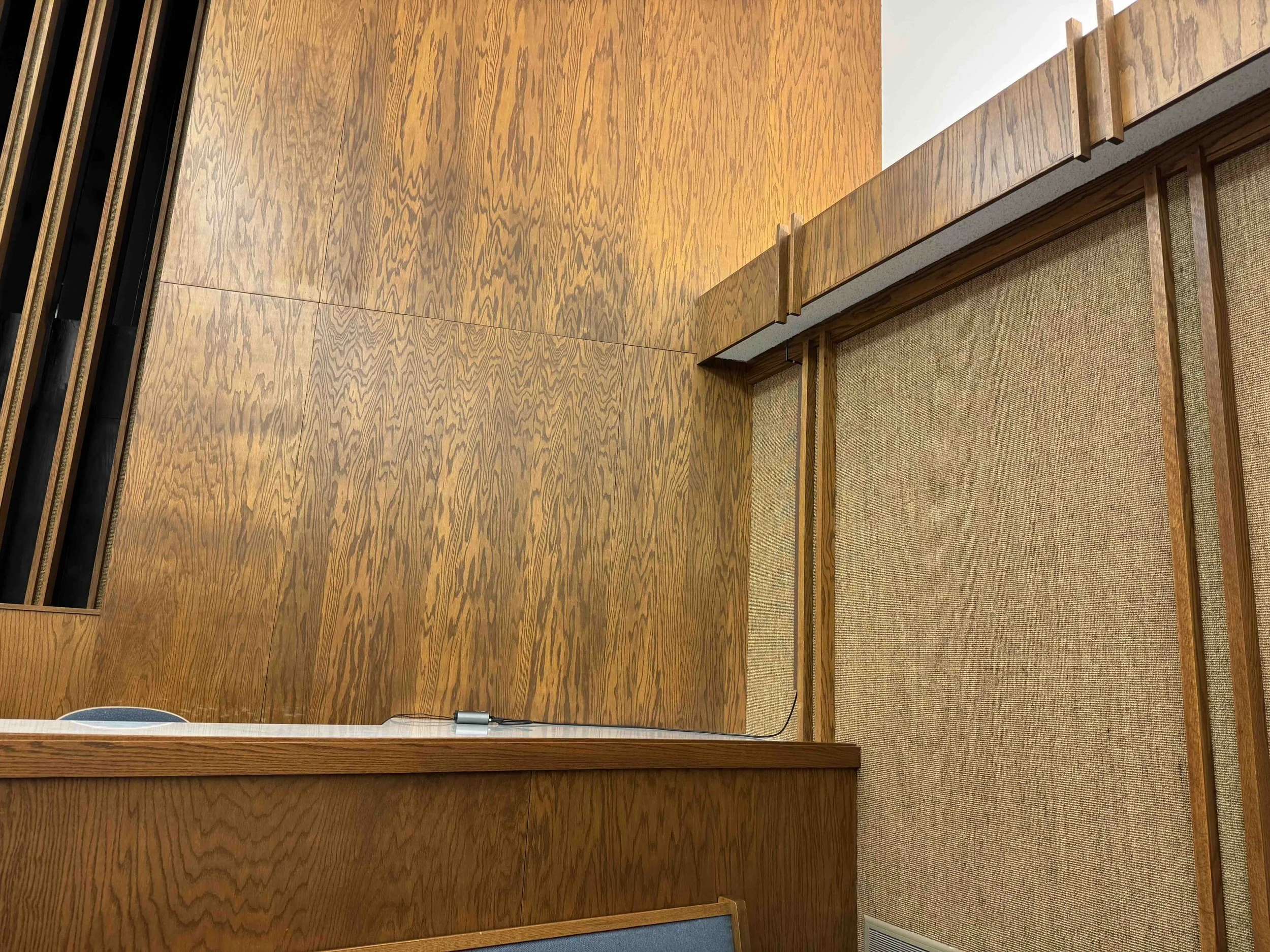
A sound-system output may be located inside a cabinet, near other electronic equipment, or in another position that is convenient for audio connections but less favorable for broadcasting a 2.4 GHz Bluetooth signal.
AirCast allows the transmitter to remain near the sound system while its antenna is extended to a better location.
This can help an installer:
Move the antenna away from a sound cabinet
Avoid placing it behind electronic equipment
Raise it above furniture and other obstructions
Keep the transmitter close to the available audio output
Find a better antenna position for reaching the listening area
I specifically tested AirCast in the East Building with no extension and with 10-, 15-, and 20-foot antenna cables.
Although the RSSI readings varied between configurations, AirCast continued to deliver clear audio throughout every measured location—even with the 20-foot extension.
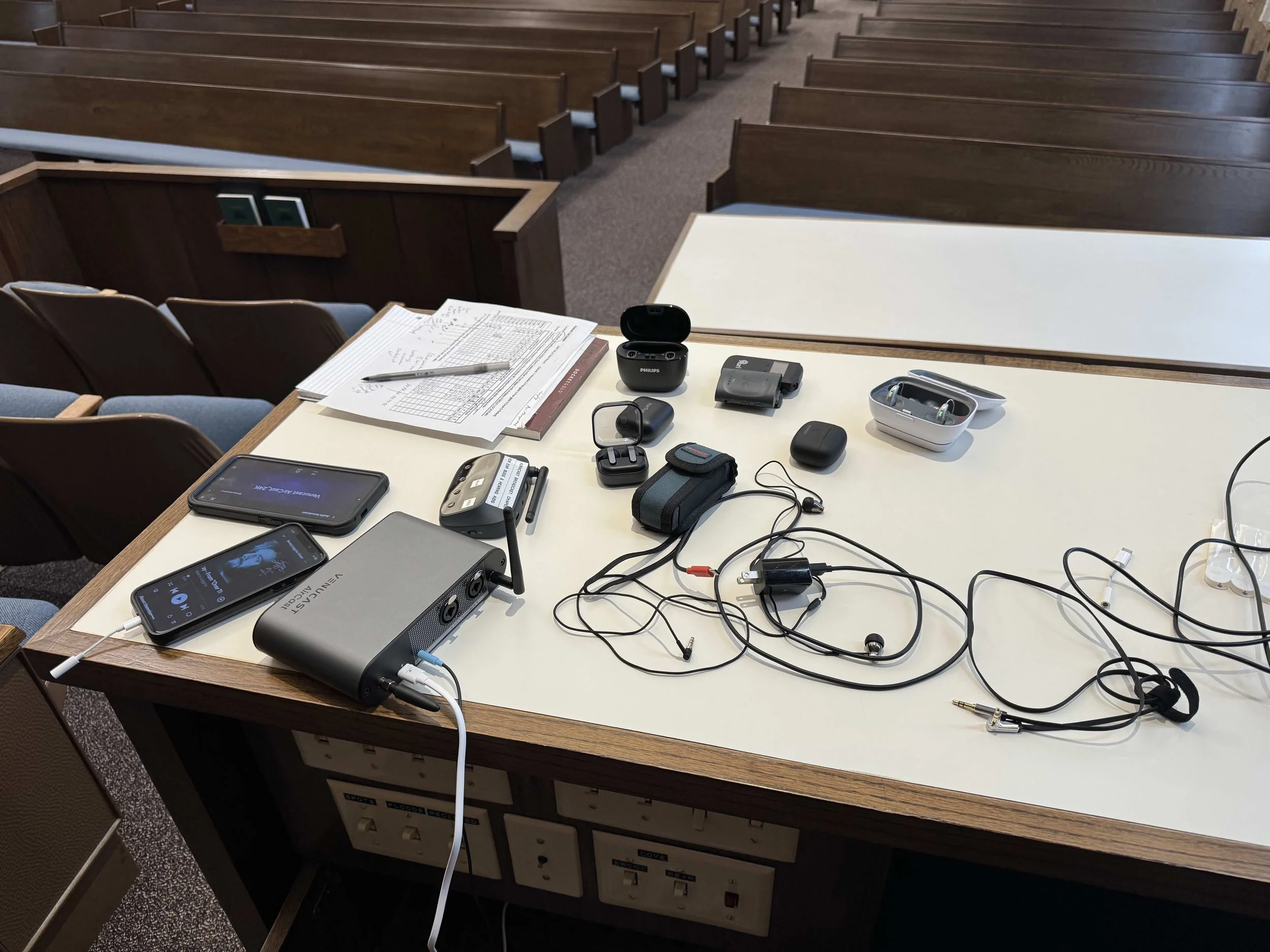
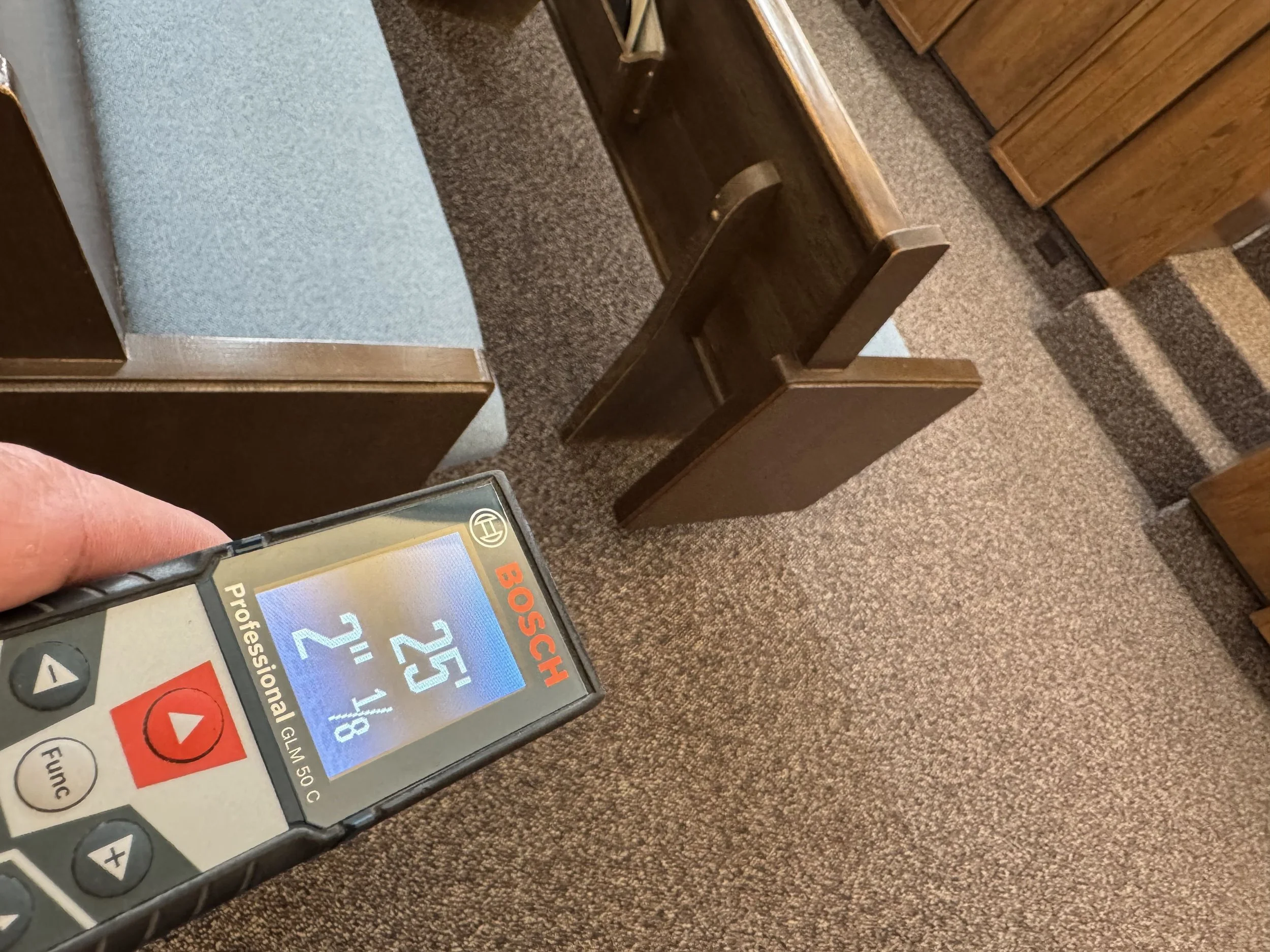
How I Tested AirCast
I tested AirCast in two large church buildings.
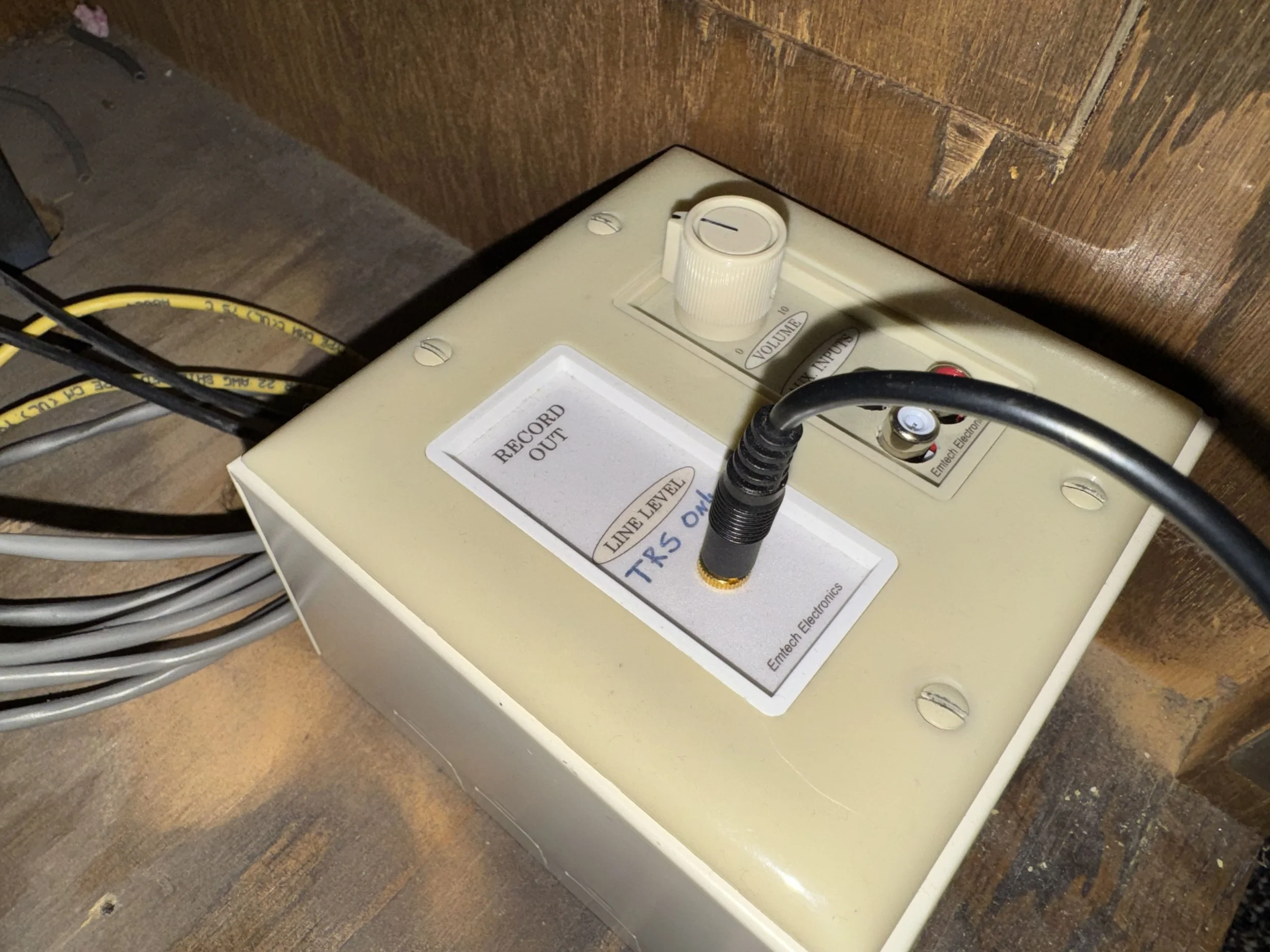
The transmitter was connected to the building sound system’s 3.5 mm auxiliary output. I used the same USB-C power cable and audio cable used during my other transmitter tests to keep the setup as consistent as practical.
For the audio source, I played audio from a phone through a USB-C-to-3.5 mm adapter into a portable Bose speaker positioned next to the pulpit microphone. The building sound system then carried that microphone audio to the AirCast transmitter.
For signal measurements, I used:
A Samsung Galaxy S24 FE
An OtterBox Defender Pro case
Wi-Fi disabled on the phone
The nRF Connect app
Consistent phone position and orientation
A direct line of sight from the phone toward the antenna when practical
I observed the Bluetooth broadcast’s Received Signal Strength Indicator, or RSSI, for approximately five seconds at each location.
Individual RSSI readings could change considerably within only a few seconds. Because of that variability, I took multiple observations and recorded the middle reading rather than relying on a single momentary value.
RSSI is measured in dBm. The values are negative, and a number closer to zero represents a stronger received signal. For example, −50 dBm is stronger than −75 dBm.
I used RSSI to identify broad signal patterns, but listening quality was the more important test.
Devices Used for Listening Tests
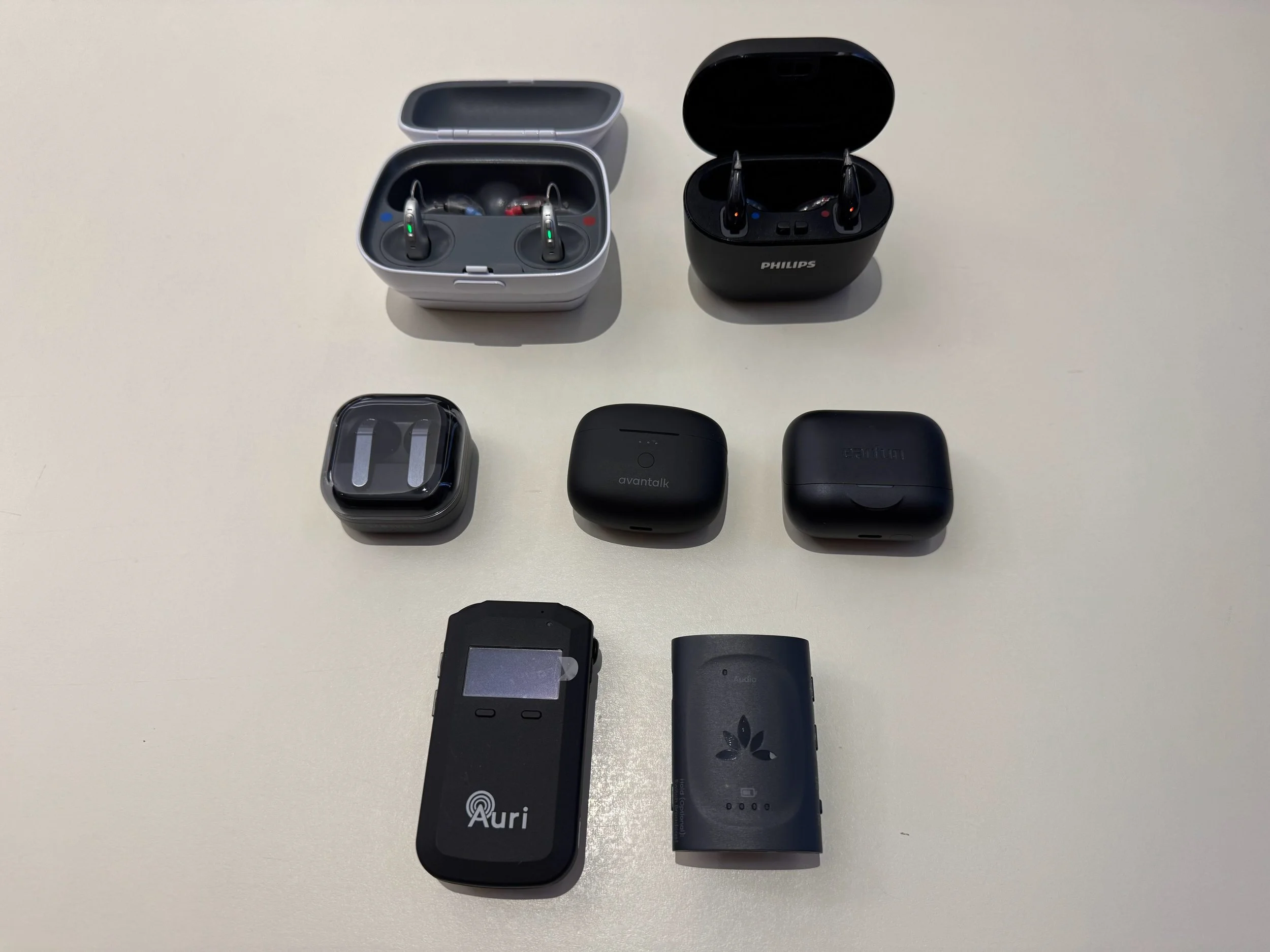
I evaluated AirCast with six different Auracast receiving devices:
Listen Technologies Auri receiver
Venucast AuraClip receiver
Samsung Galaxy Buds4 Pro
Infinity NC
EarFun Air Pro 4+
Philips HearLink 9050 hearing aids
I did not notice any sound-quality degradation with any of these devices at any measured location.
This included open-room distance tests, obstructed locations, testing with antenna extensions, and measurements as far as 200 feet.
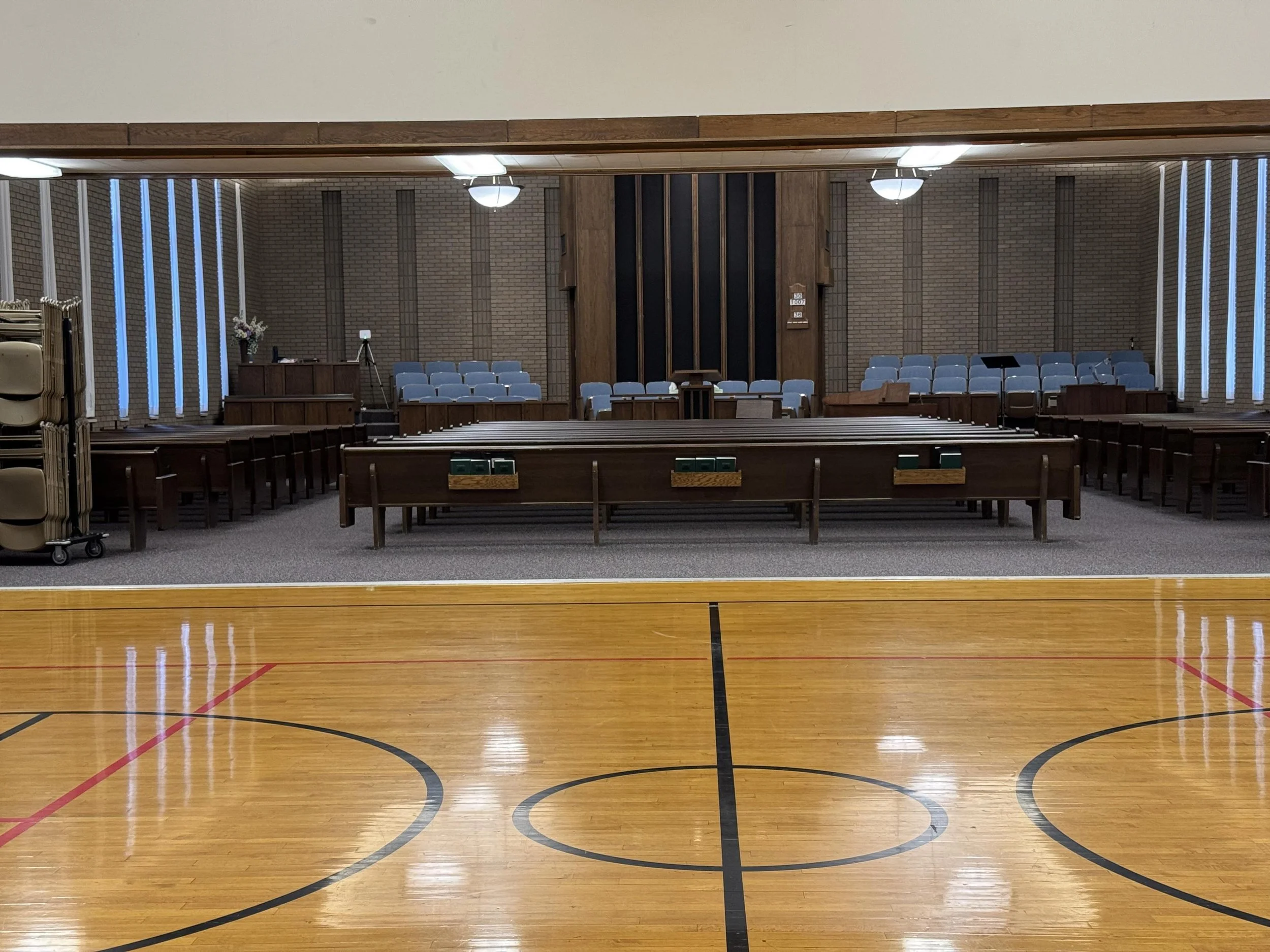
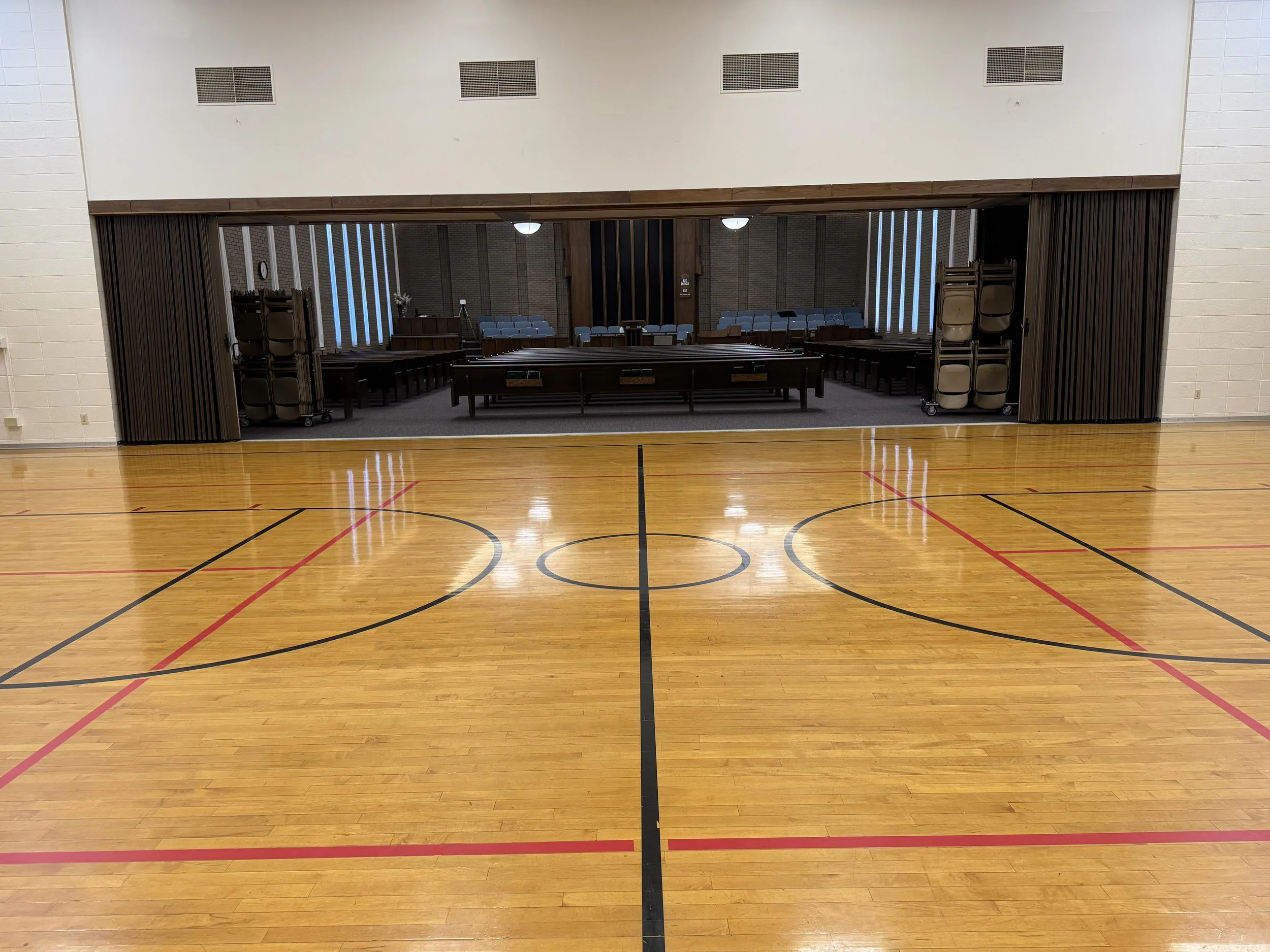
East Building Test Without an Antenna Extension
With the antenna connected directly to AirCast, I recorded:
0 feet: −12 dBm
25 feet: −45 dBm
50 feet: −46 dBm
75 feet: −50 dBm
100 feet: −57 dBm
This was a very consistent distance progression:
−45 → −46 → −50 → −57 dBm
The correlation between distance and declining RSSI from 25 through 100 feet was approximately r = −0.95.
This calculation contains only four measurements, so it should not be treated as a precise prediction of AirCast’s performance. It simply confirms that the test detected the expected overall decline in signal strength as distance increased.
Most importantly, the audio remained clear and uninterrupted at every measured distance.
East Building Test With a 10-Foot Antenna Cable
With a 10-foot antenna extension, I recorded:
0 feet: −15 dBm
25 feet: −51 dBm
50 feet: −57 dBm
75 feet: −55 dBm
100 feet: −65 dBm
The slight improvement between 50 and 75 feet demonstrates how reflections and environmental factors can affect RSSI. Measurements inside a real building do not always decline in a perfectly smooth line.
Despite the variations, I did not notice any degradation in sound quality.
East Building Test With a 15-Foot Antenna Cable
With a 15-foot antenna extension, I recorded:
0 feet: −14 dBm
25 feet: −45 dBm
50 feet: −58 dBm
75 feet: −63 dBm
100 feet: −62 dBm
The 100-foot reading was slightly stronger than the 75-foot reading. This is another example of normal RSSI variability rather than evidence that greater distance improves signal strength.
The audio remained clear and uninterrupted throughout the measured area.
East Building Test With a 20-Foot Antenna Cable
With a 20-foot antenna extension, I recorded:
0 feet: −14 dBm
25 feet: −48 dBm
50 feet: −51 dBm
75 feet: −56 dBm
100 feet: −57 dBm
These results were especially encouraging.
The measurements produced a consistent decline with distance:
−48 → −51 → −56 → −57 dBm
The correlation between distance and declining RSSI was approximately r = −0.97.
At 100 feet, the 20-foot-extension result was −57 dBm—the same measurement recorded without an extension.
This does not prove that a 20-foot antenna cable produces no RF loss. Establishing that would require controlled laboratory testing. It does show that the extension did not prevent strong 100-foot coverage in this real-world installation.
What the Antenna-Cable Results Mean
The average RSSI from 25 through 100 feet was:
No antenna extension: −49.5 dBm
10-foot extension: −57 dBm
15-foot extension: −57 dBm
20-foot extension: −53 dBm
Compared with no extension, the average measurements were:
10-foot extension: 7.5 dB weaker
15-foot extension: 7.5 dB weaker
20-foot extension: 3.5 dB weaker
These differences should be interpreted cautiously.
If cable length alone controlled the result, I would expect progressively weaker measurements as the cable became longer. That did not happen. The 20-foot configuration performed better than the 10- and 15-foot configurations.
Changing the cable length also changed the antenna’s position. That means these results reflect the entire installation—not merely electrical loss inside the cable. Antenna placement, building reflections, phone orientation, multipath effects, and normal RSSI fluctuations probably influenced the measurements.
The test therefore does not establish a dependable cable-loss rate or prove that extensions cause no loss.
It does support this practical conclusion:
In my East Building testing, AirCast continued to provide strong 100-foot coverage and clear audio with antenna extensions as long as 20 feet.
That flexibility can be extremely useful. The transmitter can remain near the sound-system connection while the antenna is placed in a location better suited to the room.
Stake Center Test Without an Antenna Extension
At the Stake Center, AirCast was tested with its antenna connected directly—without an antenna extension.
I recorded:
25 feet: −50 dBm
50 feet: −54 dBm
75 feet: −61 dBm
100 feet: −64 dBm
125 feet: −67 dBm
150 feet: −71 dBm
200 feet: −71 dBm
No zero-foot measurement was recorded during this test.
AirCast still produced a measurable signal of −71 dBm at 200 feet without an antenna extension.
The identical readings at 150 and 200 feet are a reminder that RSSI measurements inside a building do not behave like perfect laboratory measurements. Reflections, receiver orientation, and small changes in position can influence an individual reading.
The overall pattern still showed signal strength declining with distance. More importantly, I did not notice any degradation in sound quality at any measured distance—including 200 feet.
Testing Around Obstructions
I also tested AirCast in locations affected by walls, corners, and other building obstructions.
East Building—no antenna extension
Obstructed left front: −72 dBm
Obstructed left rear: −69 dBm
Obstructed right front: −70 dBm
Obstructed right rear: N/A
East Building—10-foot antenna cable
Obstructed left front: −75 dBm
Obstructed left rear: −70 dBm
Obstructed right front: −73 dBm
Obstructed right rear: N/A
East Building—15-foot antenna cable
Obstructed left front: −77 dBm
Obstructed left rear: −72 dBm
Obstructed right front: −74 dBm
Obstructed right rear: N/A
East Building—20-foot antenna cable
RSSI readings were not recorded at the obstructed East Building locations for this configuration.
A missing RSSI reading should not automatically be interpreted as an audio failure. I tested the listening experience throughout the measured locations and did not notice sound-quality degradation.
Stake Center—no antenna extension
Obstructed left front: −73 dBm
Obstructed left rear: N/A
Obstructed right front: −64 dBm
Obstructed right rear: −73 dBm
The obstructed readings were naturally weaker and less predictable than the open-room distance measurements. Different walls, construction materials, angles, and signal reflections can produce very different results.
Despite these lower RSSI values, the audio remained clear and uninterrupted at every measured location.
I experienced interruptions or static-like artifacts only after leaving the open room and placing additional walls and building materials between the antenna and receiving device.
RSSI Is Not the Same as Sound Quality
The AirCast testing clearly demonstrated why RSSI should be treated as supporting information rather than the final measure of an Auracast installation.
The measurements showed several useful patterns:
Signal strength generally declined with distance.
Walls and building materials weakened the signal.
Individual readings could fluctuate considerably.
Results did not always decline in a perfectly smooth progression.
Antenna position could influence the results.
Extensions as long as 20 feet still provided clear 100-foot coverage in the East Building.
Without an extension, AirCast produced a measurable signal at 200 feet in the Stake Center.
However, lower RSSI did not automatically mean poorer audio.
I did not notice any degradation in sound quality at any measured location, including locations with RSSI readings in the −70s.
The real goal is not to produce the strongest possible number in an app. It is to provide clear, dependable sound where people actually listen.
AirCast accomplished that throughout my measured test areas.
Test the Actual Installation
Every building is different.
Walls, metal cabinets, audio equipment, furniture, antenna height, room geometry, and construction materials can all affect a 2.4 GHz broadcast.
AirCast’s external antenna provides valuable flexibility, but the final position should be tested in the actual building.
Before making an installation permanent:
Test the front, middle, and rear of the room.
Test the corners.
Test overflow or adjoining areas that should have coverage.
Test with doors and movable partitions in their normal positions.
Try more than one antenna location when practical.
Listen with the devices people will actually use.
Do not rely entirely on RSSI readings.
A different antenna position may produce a meaningful improvement without requiring the transmitter itself to be moved away from the sound-system connection.
Remember the Microphones
AirCast can broadcast only the audio supplied by the building’s sound system.
If someone speaks without using a microphone, that person’s voice will not be delivered clearly through the Auracast broadcast. This is especially important during audience comments, questions, classes, and meetings with multiple speakers.
Someone listening through AirCast may hear the main speaker beautifully and then miss an unamplified comment from elsewhere in the room.
For a truly accessible meeting, all important speech needs to enter the sound system.
Use the microphone every time.
My Take
My experience with VenuCast AirCast has been extremely positive.
I use it in the large chapel/gym area of two church buildings because it can provide considerably more listening volume to receivers than Oasis Aura. That makes AirCast especially well suited to my largest public listening spaces.
Its external antenna is another major advantage. It allows the transmitter to remain near the sound system while the antenna is moved to a more favorable broadcasting location.
In my testing, AirCast delivered:
Clear, uninterrupted audio at every measured location
Excellent results with all six receiving devices
Strong 100-foot coverage with antenna extensions as long as 20 feet
Measurable 200-foot coverage without an antenna extension
Reliable listening at several obstructed locations
Greater available listening volume than Oasis Aura
The RSSI measurements naturally varied, but the listening results were consistently excellent. I experienced interruptions or static-like artifacts only after moving beyond the measured locations and placing additional walls and materials between the antenna and receiver.
VenuCast AirCast is highly recommended for large churches, auditoriums, gyms, conference facilities, and other public spaces where strong coverage, generous listening volume, and flexible antenna placement are important.
Buy antenna extension cables that worked for me on Amazon